
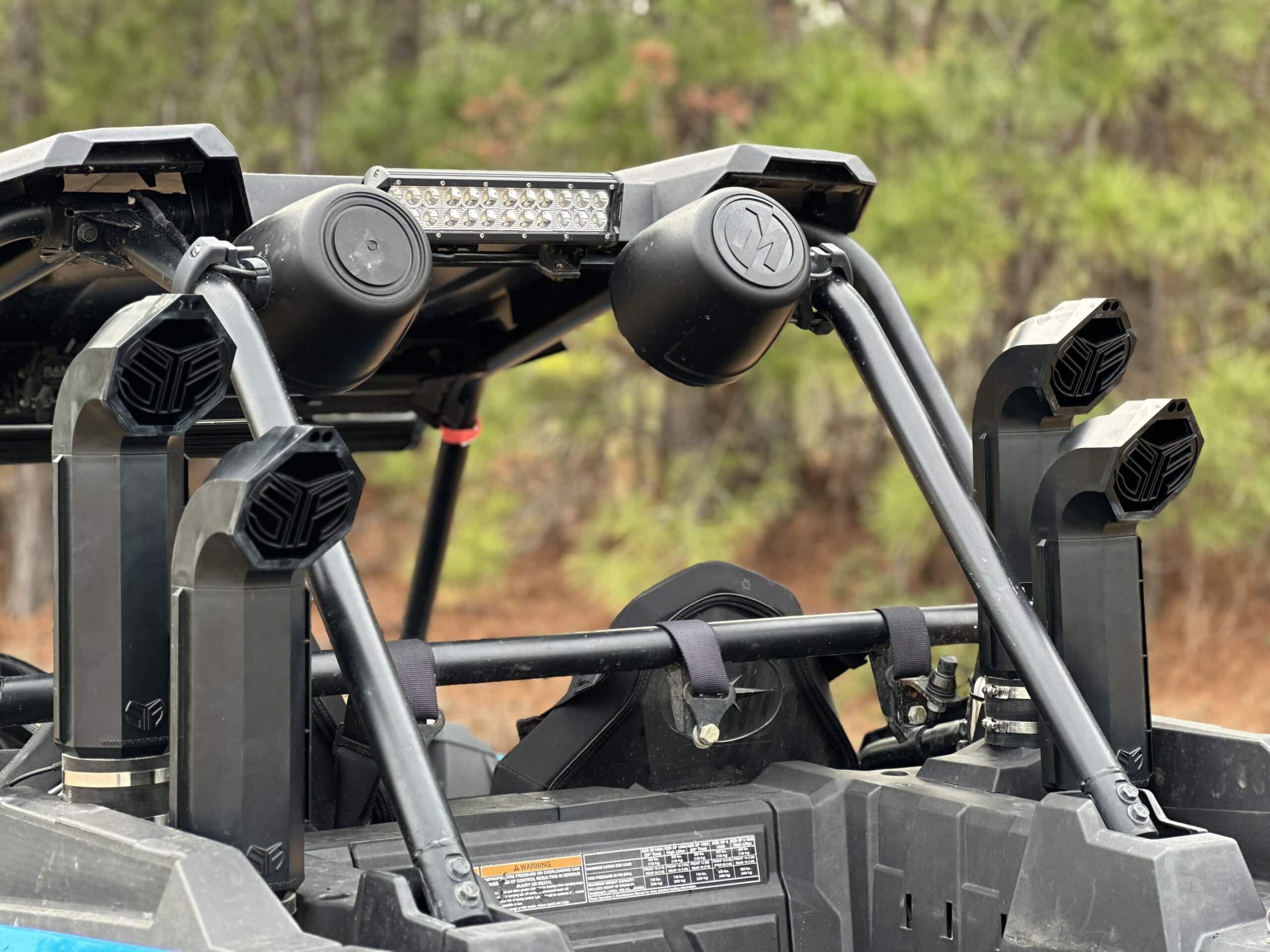
If your idea of a good ride involves bottomless mud holes that will swallow even the biggest tires, then you probably already know a good snorkel is a necessity. Snorkel kits are easily one of the most misunderstood upgrades in the offroad industry, with many people debating their usefulness. Here at High Lifter, we know from experience that a proper snorkel set-up can be the difference between you making it out of the hole or having to get your drowned machine towed back to camp. In this guide we will break down exactly what a snorkel kit is, how they work, why they are important and help you decide if a snorkel belongs on your build.
What Is a Snorkel Kit?
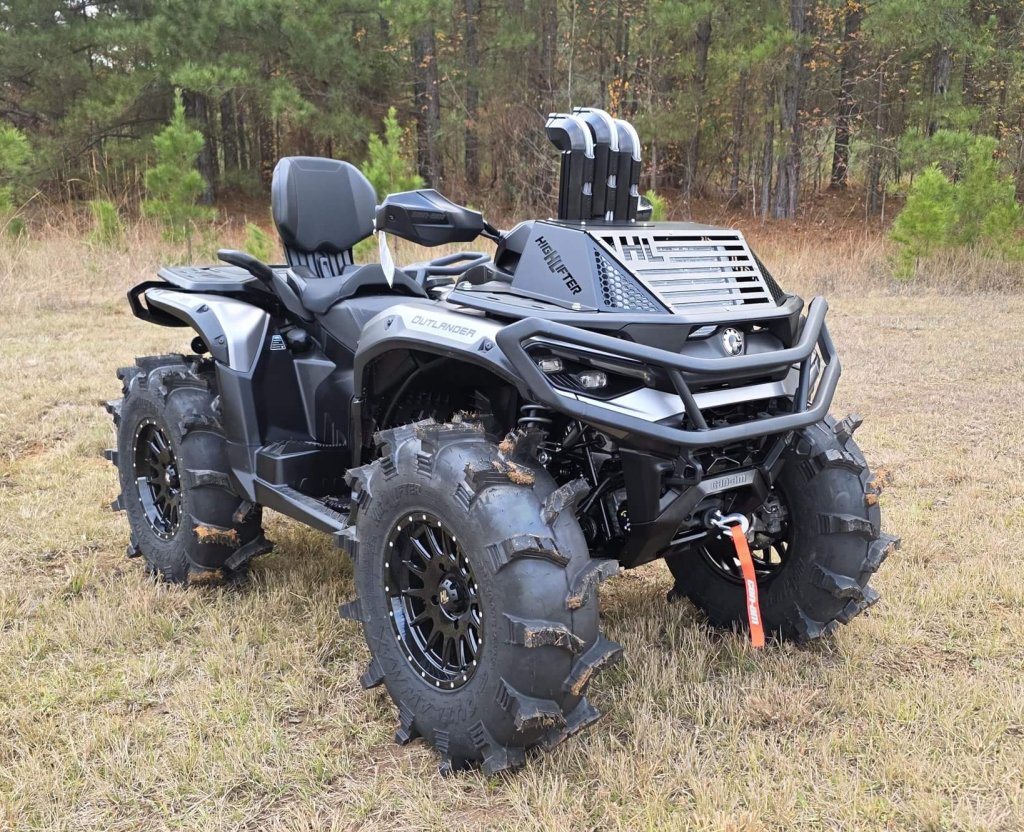
At their core snorkel kits act exactly like the snorkel you use when scuba diving. A snorkel kit raises important air intakes and vent lines on your machine to a higher point, allowing you to safely tackle deeper water and mud. The stock intake location for most ATVs and UTVs pulls air from lower points in the chassis which can easily allow water and mud into your engine or clutch housing even under normal trail riding conditions.
Most snorkel kits include:
- Intake risers for the air intake
- Intake and exhaust risers for the CVT clutch housing
- Extended vent lines for differentials and transmissions
- Boots, clamps and sealant
- Hard PVC/ABS or Flexible Silicone tubing
By raising these important intake locations higher up on the machine you allow it to breathe cleaner, cooler and dryer air no matter what conditions you are riding in.
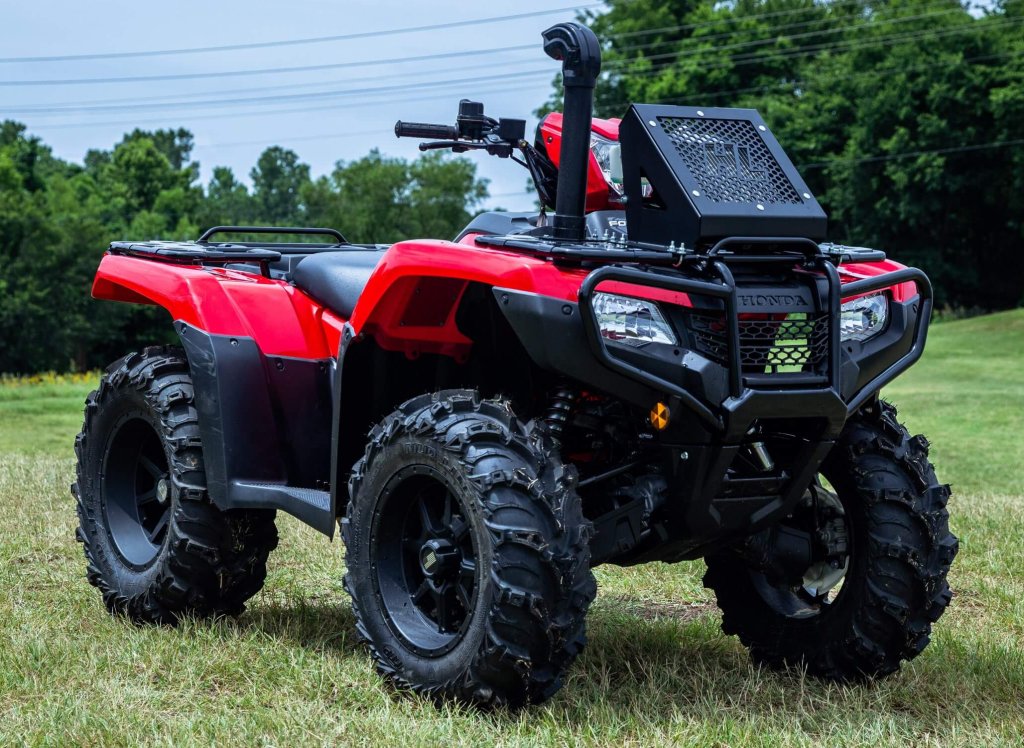
How does this protect your machine?
Protect your engine
Raising the intake of your engine is very important for reducing the risk of water making its way into your engine. When your intake sucks in water instead of air it can cause hydrolock, which will cause your engine to abruptly stop and can even bend connect rods or crack cylinder walls.
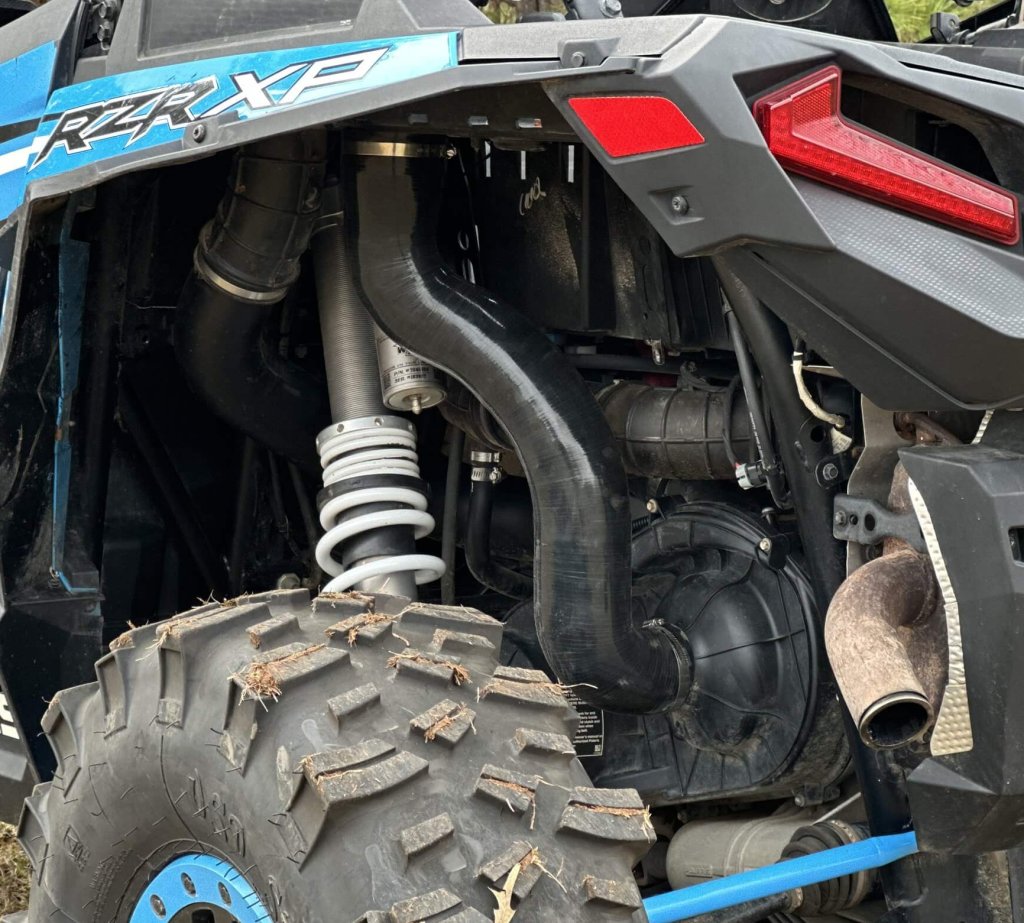
Protect your Clutch
Most snorkel kits also raise the intake and exhaust of your clutch, helping to keep out water and mud. When water gets into the clutch housing it can cause your belt to slip leading to overheating and premature belt wear.
Be ready for more than just the mud
From the factory, most ATVs and UTVs intake air from low in the chassis, close to the engine. That placement helps reduce intake noise, but it also means your machine is often breathing hot and potentially dirty air. Snorkel kits relocate those intakes higher on the vehicle and farther away from engine heat. This results in access to cooler, cleaner air. Cooler air is denser, providing more oxygen for your engine to combust, which can support improved throttle response and more consistent power delivery.
With this increased engine performance, the benefits of snorkel kits go well beyond mud riding. During aggressive trail rides, elevated intakes help prevent dust and debris from entering the system. In technical rock crawling, cooler air supports the sustained power demands of low-speed torque work. And in desert environments, snorkels help minimize sand intake that can prematurely wear internal components. While they are essential for deep mud and water, snorkels also serve as a performance and protection upgrade across a wide range of riding conditions.
A Match Made in Offroad Performance Heaven
When it comes to aggressive riding, bigger tires and deeper mud holes usually go hand in hand. Installing a lift kit or a portal gear lift may give you the clearance to run larger tires, which in turn gives most riders the confidence to hit holes that may be deeper than they appear.
Because of this, pairing a snorkel kit with your offroad build is a no brainer. Snorkel kits can help provide additional protection from deep water that ground clearance alone can’t offer. That is why when it comes to serious offroad builds pairing a solid lift kit with a quality snorkel is always a good start.
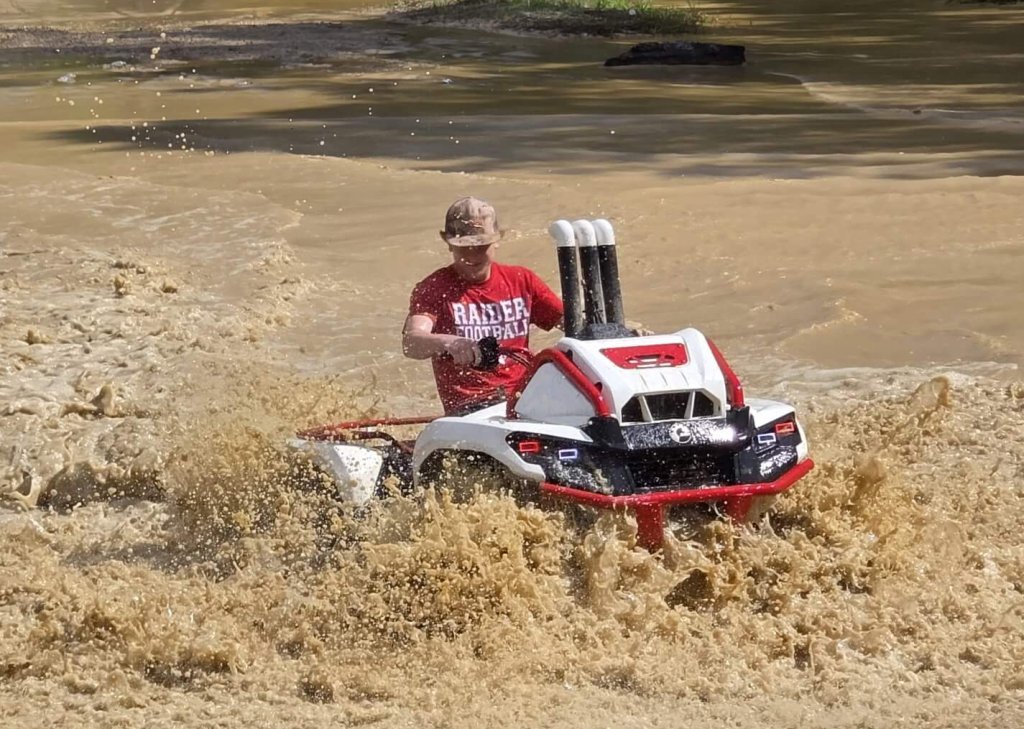
Installation Basics
The in-depth installation process of most snorkel kits could cause hesitation for some do-it-yourself riders. Properly installing a snorkel kit may not be as simple as bolting on your lift kit, but if done properly it is nothing to be afraid of. When installing a snorkel kit you should expect to:
- Remove the factory air intake
- Cut body panels
- Properly route all vent lines
- Carefully seal all connection points
The last step is the most important; a single missed seal can allow water into the system defeating the entire purpose of the snorkel kit. Traditional snorkel set ups use hard plastic tubing, typically PVC or ABS, with many joints and turns that need to be properly sealed, but some new kits from High Lifter and Snorkel Your ATV use full run silicone tubing, greatly reducing the number of connections that need to be sealed.
Pro tip: If installing a snorkel kit yourself, you can test the seals by putting soapy water on all the joints and attaching a shop-vac on the exhaust setting to introduce air into the system. If any of the connections start to bubble you know air is escaping and that seal needs to be reinforced.
Is a Snorkel Kit the Right Upgrade for You
Snorkel kits definitely are not for every rider. They offer improved protection for your machines vital engine components and will keep you riding longer.
If excessive water and deep mud holes are an essential part of your riding experience, in our opinion, a snorkel is not optional. They are an essential part of building a machine that is ready for anything the trail throws at you.