
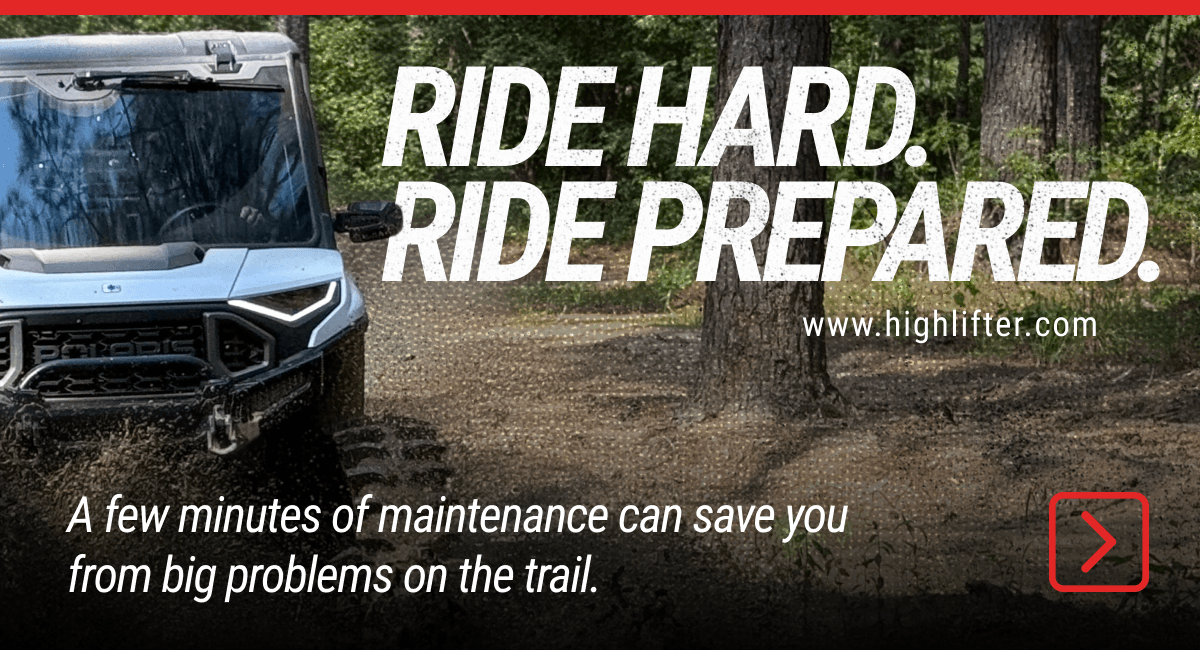
Keep Your Machine Trail Ready with This Essential Maintenance Checklist
Whether you are heading out for a casual trail ride or putting your machine through deep mud, routine maintenance plays a major role in performance and reliability. A consistent pre ride and post ride routine helps you catch small issues before they turn into major failures. It also ensures your ATV or UTV stays safe, responsive and ready for the next adventure.
This guide breaks down the most important areas to inspect before and after every ride, along with key product categories that help improve durability and long-term performance.
Pre Ride Maintenance Checklist
1. Tires and Wheels
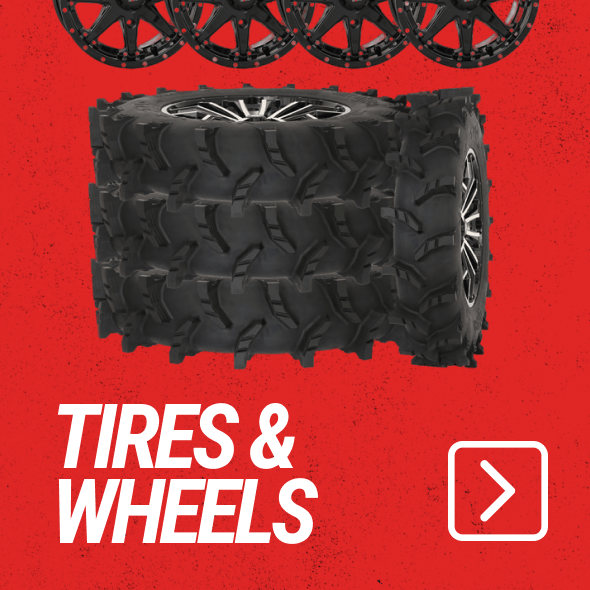
Your tires and wheels are the foundation of your ride quality and traction. Before heading out, take time to check tire pressure and adjust it based on the terrain you plan to ride. Lower pressures can improve traction in mud and sand, while higher pressures are better suited for hard packed trails.
Carefully inspect each tire for punctures, dry rot, or uneven wear that could indicate alignment or suspension issues. It is also important to check that all lug nuts are properly tightened, as loose wheels can quickly become dangerous on the trail. If you frequently ride in harsh terrain, using a tire sealant is a smart way to reduce the risk of flats and keep you moving when conditions get rough.
2. Axles and CV Joints
Axles are constantly under stress, especially on machines equipped with lift kits or oversized tires. Before riding, look closely at the CV boots on each axle. If you notice tears or grease leaking out, that axle is at risk of failure and should be addressed immediately.
You should also pay attention to any unusual noises while turning or accelerating. Clicking or popping sounds can be an early sign of wear inside the joint. Catching these issues early can help you avoid getting stranded. Riders who regularly push their machines in mud or technical terrain often benefit from upgrading to heavy duty axles like High Lifter’s DHT X axles, built to handle increased torque and more extreme angles.
3. Ball Joints
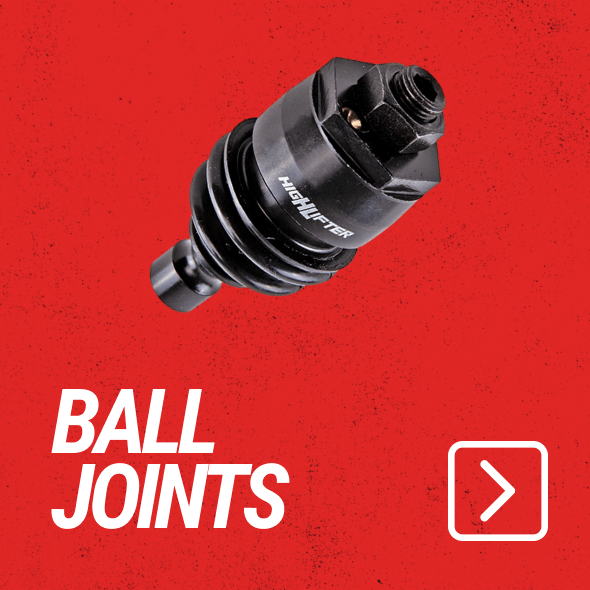
Ball joints are a critical part of your suspension system and directly affect handling and safety. Worn ball joints can lead to loose steering and unpredictable movement over rough terrain. During your pre ride check, visually inspect each ball joint for excessive play and look at the boots for any signs of damage.
Serviceable and rebuildable options such as High Lifter’s APEXX ball joints offer a major advantage over standard designs. Instead of replacing the entire ball joint when wear occurs, these can be maintained and rebuilt, helping extend their lifespan and reduce long term costs.
4. Drive Belt and Clutch System
The drive belt is one of the most important components in your drivetrain, and it is often overlooked until it fails. Before riding, remove the clutch cover if accessible and visually inspect the belt for cracks, fraying, or glazing. These are signs that the belt is wearing down and may not perform reliably under load.
Proper belt deflection is also important for smooth engagement and performance. If the belt feels loose or inconsistent, it may need adjustment or replacement. Cleaning out the clutch housing to remove dust and debris will also help prevent unnecessary wear and heat buildup. A well maintained belt ensures consistent power delivery and reduces the chance of unexpected failure.
5. Brakes and Brake Pads
Reliable braking is essential for both safety and control. Before each ride, take a moment to check the thickness of your brake pads and inspect the rotors for any visible damage. If you hear squealing or grinding noises, it is often a sign that your pads are worn and need replacement. Mud and water can accelerate wear, so staying ahead of brake maintenance is especially important if you ride in wet environments. Strong and predictable braking gives you the confidence to handle steep descents and technical terrain.
6. Fluids and Oil Filter
Fluids are the lifeblood of your ATV or Side by Side and neglecting them can lead to serious mechanical issues. Before riding, check your engine oil level and make sure it appears clean and free of contamination. Low or dirty oil can cause increased engine wear and reduced performance.
Coolant levels should also be checked to prevent overheating during long or demanding rides. Take a quick look underneath your machine for any signs of leaks that could indicate a problem. Your oil filter plays a key role in keeping contaminants out of the engine, so making sure there are no leaks and the filter is functioning properly is just as important as the oil itself.
7. Bushings and Steering Components
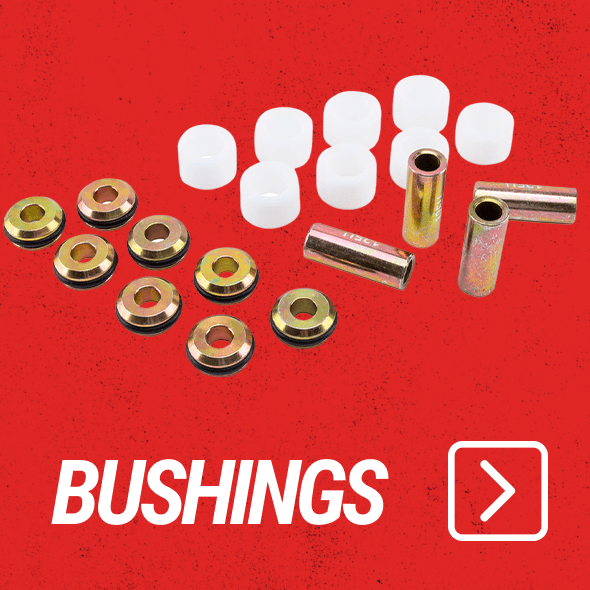
Bushings and steering components are often overlooked, but they play a major role in how your machine handles. Over time, bushings can wear down and create excess movement in your suspension. This can lead to sloppy handling and additional stress on other components.
During your inspection, check for any looseness in the A arms and listen for squeaks or knocking sounds when moving the suspension. Tie rods and steering connections should also be examined to ensure everything is tight and secure. Maintaining these components helps keep your steering precise and your ride smooth.
Post Ride Maintenance Checklist
1. Thorough Cleaning
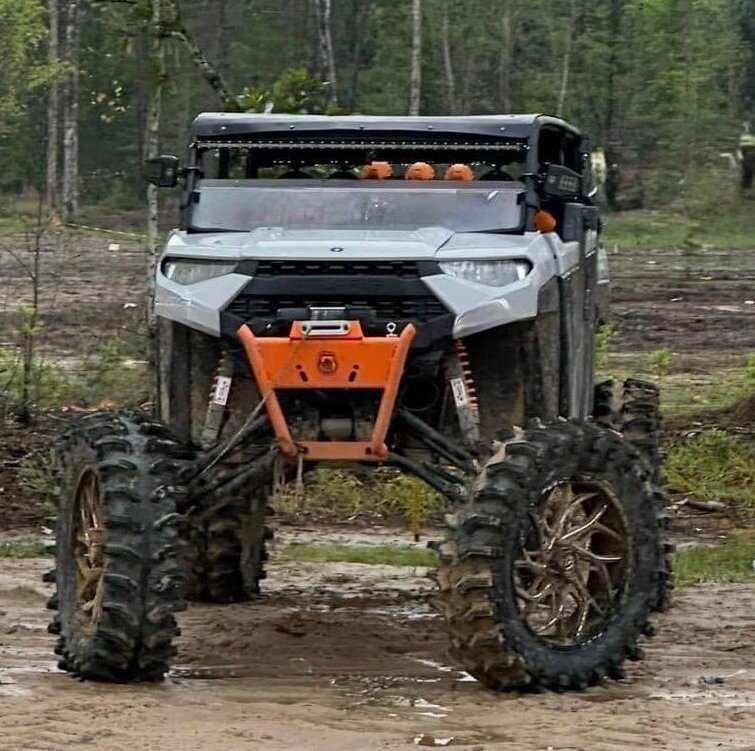
After a ride, your machine is likely covered in mud and dirt. Taking the time to clean it properly is more than just cosmetic. It allows you to spot damage that might otherwise go unnoticed and helps prevent premature wear caused by buildup.
Focus on areas like the suspension, axles and the undercarriage where debris tends to collect. While washing, be mindful not to spray high pressure water directly into bearings or seals, as this can force contaminants inside and cause damage over time.
2. Inspect for Damage
Once your machine is clean, perform a detailed inspection of the same components you checked before the ride. Look for new damage such as bent parts, torn boots, or loose hardware that may have occurred during your time on the trail.
Pay close attention to axles, suspension components, and wheels, as these areas take the most abuse. Catching damage early allows you to address it before your next ride and helps prevent more serious failures.
3. Recheck Drive Components
Your drive belt and clutch system experience significant stress during every ride. After cleaning your machine, open the clutch housing and inspect the belt again. Even if it looked fine before the ride, hard use could quickly change its condition.
Remove any dust or debris that has accumulated inside the housing. If you notice signs of wear, replacing the belt before your next ride is a smart decision that can save you from unexpected breakdowns.
4. Brake System Check
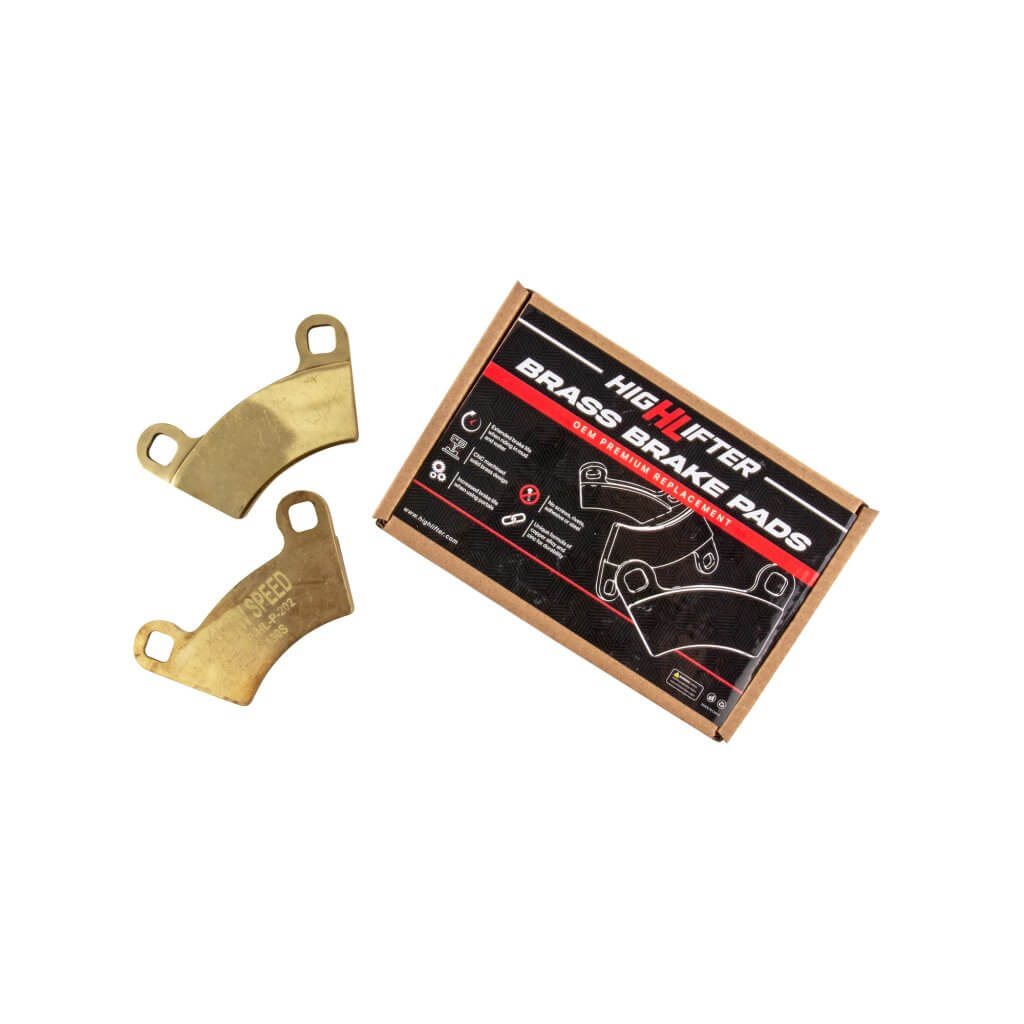
Mud, water and grit can accelerate wear on your braking system. After each ride, inspect your brake pads for signs of excessive wear and clean any debris from the calipers and rotors.
Testing your brakes before putting the machine away ensures they are still functioning properly. If anything feels off, addressing it immediately will keep your machine safe and ready for the next outing.
5. Lubrication and Service Points
Post ride maintenance is the perfect time to apply grease and service key components. Lubricating fittings and pivot points helps reduce friction and extends the life of moving parts.
If you are running serviceable components such as rebuildable ball joints, this is also a good opportunity to perform any necessary maintenance. Keeping everything properly lubricated ensures smoother operation and better long term reliability.
6. Tire Maintenance and Sealant Check
After a ride, inspect your tires again for any damage that may have occurred. Small punctures or embedded debris can lead to slow leaks if left unaddressed.
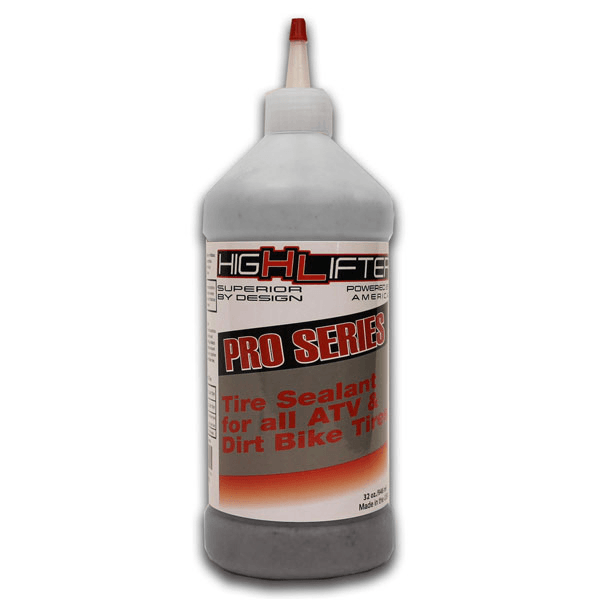
If you are using tire sealant, check to make sure it is still effective and replenish it if needed. Adjusting your tire pressure back to your preferred setting for storage or your next ride helps maintain consistent performance.
Why Routine Maintenance Matters
Staying consistent with maintenance helps prevent unexpected issues and keeps your machine performing at its best. It reduces the risk of breakdowns, extends the life of your components, and improves overall ride quality.
Investing in durable parts such as heavy duty axles, rebuildable ball joints like the APEXX series, quality drive belts, oil filters, wheels and tires, tire sealant, bushings, and reliable brake pads can make maintenance easier and more effective over time.
Final Thoughts
Taking the time to properly inspect and maintain your ATV or SxS before and after every ride is one of the best ways to protect your investment. A well-maintained machine not only performs better but also gives you the confidence to push further and ride harder.